Tiny Black Specks in Flour: What They Are and How to Get Rid of Them for Good

Tiny Black Specks in Flour: What They Are and How to Get Rid of Them for Good
Introduction
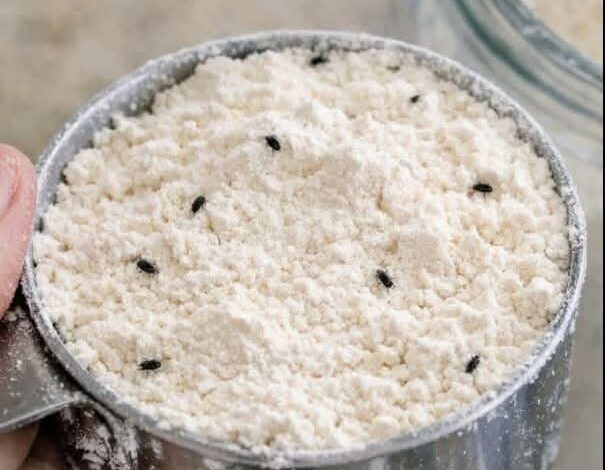
Finding tiny black specks moving around inside your flour jar can be alarming, especially when the container appears completely sealed. Many people assume the flour has somehow spoiled overnight or that bugs entered through a crack in the lid. In reality, these tiny intruders are usually flour weevils or other pantry pests that commonly infest grains and dry goods long before the package even reaches your kitchen.
Although the discovery may feel unpleasant, flour weevils are actually a very common household problem. These tiny insects thrive in flour, rice, cereal, pasta, and grains because those foods provide the perfect environment for them to grow and reproduce. The surprising part is that infestations often begin before you even buy the product. Eggs can already be hidden inside the flour during processing and packaging, waiting to hatch once conditions become favorable.
Understanding how flour weevils develop, spread, and survive inside sealed containers is the first step toward protecting your pantry. With proper storage techniques, careful shopping habits, and thorough cleaning methods, you can prevent future infestations and keep your baking supplies fresh and safe.
This complete guide explains everything you need to know about those mysterious black specks in flour, including what they are, how they get there, whether they are dangerous, and how to stop them from returning.
Why Tiny Black Specks Appear in Flour
One of the biggest misconceptions about pantry pests is that they suddenly invade your kitchen from outside. In most cases, the problem actually begins much earlier. Flour weevils usually enter the food supply chain during grain harvesting, storage, or packaging.
Adult weevils lay microscopic eggs directly onto grains such as wheat, rice, oats, or corn. Once those grains are processed into flour, the eggs remain hidden inside the product. Because the eggs are nearly invisible, they often go unnoticed during manufacturing and packaging.
When conditions become warm and humid inside your pantry, the eggs hatch into larvae. The larvae feed quietly inside the flour before transforming into adult insects. By the time you notice tiny black specks moving in the jar, the infestation has likely been developing for weeks.
Why This Pantry Pest Problem Happens So Often
Pantry pests are incredibly common because dry goods provide an ideal breeding environment. Flour, rice, pasta, cereal, and grains contain nutrients that insects need to survive and reproduce quickly.
Several factors increase the likelihood of infestation:
- Warm kitchen temperatures
- High humidity
- Long-term food storage
- Poorly sealed containers
- Forgotten pantry items
- Bulk food purchases
Even extremely clean homes can experience pantry pest issues because the insects are usually already present inside the food before it enters the house.
What You’ll Need to Handle a Flour Weevil Infestation
If you discover insects in your flour, gathering the right cleaning supplies can help you eliminate the problem quickly and efficiently.
Essential Supplies
- Trash bags for contaminated products
- Airtight food storage containers
- White vinegar
- Hot soapy water
- Vacuum cleaner with hose attachment
- Paper towels or microfiber cloths
- Mild bleach solution (optional)
- Freezer-safe bags
- Shelf liners (optional)
These simple supplies are enough to deep-clean your pantry and stop the infestation from spreading further.
How To Identify Flour Weevils Correctly
Flour weevils are tiny insects usually measuring between 2 and 3 millimeters long. They often appear dark brown or black and have elongated bodies with a distinctive snout.
Common Signs of Infestation
Besides seeing moving black specks, other warning signs include:
- Clumpy flour
- Small tunnels in dry goods
- Musty odor
- Fine webbing
- Tiny beetles crawling near pantry shelves
- Powdery residue inside containers
Sometimes the insects are easier to spot around the edges of the container or crawling near the lid.
The Hidden Life Cycle Happening Inside Your Flour
The life cycle of a flour weevil happens surprisingly fast. A single female can lay hundreds of eggs during her lifetime.
Stages of Development
Egg Stage
Tiny eggs are laid directly on grains or flour particles.
Larval Stage
Larvae hatch and begin feeding immediately. This stage causes most of the food damage.
Pupal Stage
The larvae transform into pupae before becoming adults.
Adult Stage
Adult weevils emerge and continue reproducing rapidly.
Under ideal conditions, the entire process can take as little as four weeks. This explains why infestations can grow dramatically in a short period of time.
Why a Sealed Flour Jar Doesn’t Always Prevent Bugs
Many people feel confused when insects appear inside containers that seem tightly sealed. Unfortunately, sealing the flour after purchase only prevents new pests from entering. It does not eliminate eggs already hidden inside the flour.
Some weevil eggs can survive for weeks before hatching. Once they mature, the insects continue their life cycle inside the container.
Additionally, certain containers may not be completely airtight. Tiny openings around lids or seals can allow insects to move in and out unnoticed.
For best protection, choose containers specifically designed for long-term airtight food storage.
Is It Dangerous to Eat Flour with Weevils?
The good news is that accidentally consuming flour weevils is generally not dangerous. These insects do not spread harmful diseases to humans.
Although eating contaminated flour is unpleasant, small amounts are unlikely to cause health problems. However, heavily infested flour should always be discarded because the quality, freshness, and taste become compromised.
People with allergies or sensitivities may experience mild digestive discomfort, but serious reactions are rare.
How To Make Sure Your Pantry Is Completely Clean Again
Cleaning your pantry thoroughly is essential after discovering an infestation.
Step 1: Remove Everything
Take all food items out of the pantry and inspect them carefully.
Step 2: Throw Away Contaminated Food
Dispose of any infested flour, grains, cereal, pasta, or dry goods immediately.
Step 3: Vacuum Shelves Thoroughly
Use a vacuum attachment to clean corners, cracks, and shelf edges where eggs may hide.
Step 4: Wash All Surfaces
Clean shelves using hot soapy water or a vinegar solution.
Step 5: Dry Completely
Allow shelves and containers to dry fully before restocking.
This process helps remove hidden eggs and prevents future outbreaks.
Tips + Tricks & More for Pantry Pest Prevention Success
Preventing flour weevils is much easier than dealing with a major infestation later.
Freeze Flour After Purchase
Place new flour bags in the freezer for 48 hours before storing them in the pantry. This kills hidden eggs and larvae.
Use Airtight Containers
Glass, metal, or durable plastic containers work best.
Store Food in Cool Areas
Warm temperatures encourage insect breeding.
Rotate Pantry Stock
Use older products first and avoid keeping flour for too long.
Clean Pantry Regularly
Frequent inspections help catch problems early.
Avoid Overstocking
Buying excessive quantities increases the chance of infestation.
Smart Shopping Habits That Reduce Pantry Bugs
Your prevention efforts actually begin at the grocery store.
Inspect Packaging Carefully
Avoid packages with:
- Tears
- Small holes
- Loose seals
- Signs of moisture
Buy Smaller Quantities
Smaller packages get used faster, reducing storage time.
Choose Fresh Products
Check expiration dates carefully and select the freshest flour available.
Shop at Stores with High Turnover
Busy stores usually restock products more frequently, reducing the chance of old inventory sitting too long.
Best Storage Tricks for Keeping Flour Fresh Longer
Proper storage can dramatically extend the shelf life of flour and grains.
Recommended Storage Methods
Glass Jars
Durable, easy to clean, and airtight.
Food-Grade Plastic Containers
Lightweight and practical for large quantities.
Metal Canisters
Excellent for blocking moisture and pests.
Ideal Pantry Conditions
- Cool temperatures
- Low humidity
- Dry shelves
- Good airflow
Avoid storing flour near heat sources such as ovens or dishwashers.
How To Serve and Use Flour Safely After Storage
Proper flour handling matters just as much as proper storage.
Safe Flour Handling Tips
- Always use dry measuring cups
- Avoid introducing moisture into containers
- Seal containers immediately after use
- Check flour regularly before baking
Fresh flour should smell neutral and clean. Any sour, musty, or unusual odor may indicate spoilage or infestation.
Serving Suggestions for Pantry Organization
An organized pantry helps prevent future infestations and makes food storage easier.
Pantry Organization Ideas
Use Clear Containers
This makes spotting insects easier.
Label Purchase Dates
Track freshness and rotation.
Group Similar Foods Together
Keep grains, pasta, baking supplies, and cereals organized.
Add Shelf Liners
Makes cleaning easier if spills occur.
Good pantry organization improves both food safety and convenience.
Time Needed to Eliminate a Flour Weevil Problem
Inspection Time
15–30 minutes
Pantry Cleaning Time
1–2 hours
Freezing Time for New Flour
48 hours
Ongoing Maintenance
10 minutes weekly
Regular pantry checks can save hours of deep cleaning later.
When Professional Pest Control May Be Necessary
Sometimes infestations continue despite careful cleaning and storage improvements. Persistent pantry pests may indicate hidden breeding areas behind walls, inside cabinets, or in overlooked food products.
Professional pest control specialists can identify the source of recurring infestations and provide targeted treatment solutions. This is especially helpful if:
- Multiple infestations keep returning
- Bugs spread beyond the pantry
- Large amounts of food become contaminated
- You cannot locate the source
Professional advice can also help prevent future problems permanently.
Final Thoughts on Tiny Black Specks in Flour
Discovering moving black specks inside your flour can certainly be unsettling, but it is a very common issue faced by households everywhere. Flour weevils and similar pantry pests are experts at sneaking into dry goods long before products arrive in your kitchen.
Fortunately, these insects are usually more annoying than dangerous. By understanding their life cycle, learning proper storage techniques, and maintaining a clean pantry, you can stop infestations before they grow.
Simple habits such as freezing flour after purchase, using airtight containers, rotating pantry stock, and performing regular inspections make a huge difference in keeping your baking supplies safe and fresh.
With the right prevention methods, your pantry can remain clean, organized, and completely pest-free for the long term.