Soft Gluten-Free Bread
Introduction
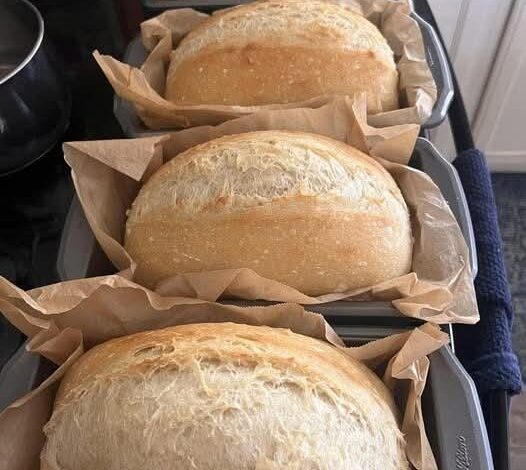
There is something deeply comforting about the aroma of freshly baked bread filling the kitchen. For many people following a gluten-free lifestyle, finding a loaf that is tender, fluffy, and satisfying can feel like an impossible challenge. Too often, gluten-free bread turns out dense, dry, crumbly, or lacking flavor. That is exactly why Soft Gluten-Free Bread is such a game-changing recipe. It delivers everything you love about homemade bread—soft texture, light crumb, beautiful rise, and rich flavor—without any wheat or gluten.
Whether you are gluten-sensitive, have celiac disease, or simply want to explore better homemade alternatives, Soft Gluten-Free Bread proves that baking without gluten can still be delicious and rewarding. This recipe combines carefully selected flours, moisture-boosting ingredients, and smart baking techniques to create a loaf that slices beautifully and tastes amazing.
Unlike store-bought gluten-free loaves that can be expensive or full of preservatives, Soft Gluten-Free Bread is made with wholesome pantry staples. You control the ingredients, the flavor, and the freshness. Every slice feels homemade in the best possible way.
Perfect for toast, sandwiches, breakfast spreads, or serving beside soups and salads, Soft Gluten-Free Bread quickly becomes a staple once you try it. It is soft enough for everyday use yet sturdy enough for slicing and storing. If you have struggled with gluten-free baking before, this recipe is the answer you have been waiting for.
Why This Recipe Works
The reason Soft Gluten-Free Bread turns out so well is because every ingredient has a purpose. Gluten-free baking needs balance, and this recipe creates that balance beautifully.
First, the gluten-free flour blend gives structure. A blend made with rice flour, potato starch, and tapioca starch provides a stable base that mimics traditional flour more effectively than a single flour alone. This creates a lighter loaf with better texture.
Second, oat flour adds softness and moisture retention. This is one of the secrets behind Soft Gluten-Free Bread. Oat flour helps keep the loaf tender for longer, preventing that dry texture common in gluten-free recipes.
Third, tapioca starch improves elasticity. Gluten-free dough often lacks stretch, but tapioca helps the dough expand and rise more effectively.
Another major reason Soft Gluten-Free Bread succeeds is the use of xanthan gum and psyllium husk powder. These ingredients replace gluten’s role in holding the dough together. Psyllium also forms a gel that traps air bubbles, giving the bread a lighter crumb.
The yeast provides lift and flavor, while sugar helps feed the yeast during activation. Oil keeps the loaf soft, while vinegar strengthens the dough and supports rise.
Finally, careful mixing and proofing allow the dough to fully hydrate. Gluten-free dough benefits from proper moisture absorption, and that is why this bread bakes up so beautifully.
What You’ll Need For This Recipe
Making Soft Gluten-Free Bread requires simple ingredients that work together for excellent texture and flavor.
Main Flour Blend
- 2 cups gluten-free all-purpose flour blend
Choose one containing rice flour, potato starch, and tapioca starch.
Softness Enhancers
- 1/2 cup oat flour
Adds tenderness and moisture. - 1/4 cup tapioca starch
Improves chewiness and elasticity.
Binders
- 1 teaspoon xanthan gum
Provides structure. - 1 tablespoon psyllium husk powder
Creates stretch and softness.
Sweetener and Flavor
- 2 tablespoons sugar
Feeds yeast and adds subtle sweetness. - 1 teaspoon salt
Balances flavors.
Leavening
- 2 teaspoons instant yeast
Liquids
- 1 1/2 cups warm water
- 3 tablespoons oil
- 1 teaspoon apple cider vinegar
Optional Enrichment
- 2 tablespoons yogurt or milk
Equipment
- Large bowl
- Whisk
- Mixer
- Loaf pan
- Spatula
- Towel or plastic wrap
These carefully selected ingredients are what make Soft Gluten-Free Bread stand out from many other recipes.
How To Make This Recipe
Step 1: Activate the Yeast
Pour warm water into a bowl. The water should feel warm but not hot.
Add sugar and stir until dissolved. Sprinkle the yeast over the top and let it rest for 5 to 10 minutes.
You should see foam forming. This means the yeast is active and ready to use.
If no foam appears:
- Yeast may be expired
- Water may be too hot
- Water may be too cold
This first step is essential for successful Soft Gluten-Free Bread.
Step 2: Mix the Dry Ingredients
In a large bowl, combine:
- Gluten-free flour blend
- Oat flour
- Tapioca starch
- Xanthan gum
- Psyllium husk powder
- Salt
Whisk thoroughly so everything is evenly distributed.
Step 3: Add Wet Ingredients
To the activated yeast mixture, add:
- Oil
- Apple cider vinegar
- Yogurt or milk if using
Pour the wet mixture into the dry ingredients.
Step 4: Mix the Dough
Use a stand mixer or hand mixer for 3 to 5 minutes. Gluten-free dough is usually more like thick batter than traditional dough.
Mixing thoroughly helps hydrate ingredients and improve structure in Soft Gluten-Free Bread.
Step 5: Transfer to Pan
Grease a loaf pan and scrape the dough inside. Smooth the top with a spatula dipped in water.
Step 6: Let It Rise
Cover loosely with a towel or plastic wrap. Let the dough rise in a warm place for 30 to 45 minutes, or until puffed.
Do not wait for it to double exactly. Gluten-free dough rises differently.
Step 7: Bake
Preheat oven to 375°F (190°C).
Bake for 40 to 50 minutes until golden brown and firm on top.
Step 8: Cool Completely
Remove from pan and cool on a rack before slicing.
This step is very important because Soft Gluten-Free Bread continues setting as it cools.
Tips + Tricks & More For Recipe Success
Use a Good Flour Blend
Not all blends are equal. Use one designed for bread baking.
Measure Carefully
Too much flour can make Soft Gluten-Free Bread dense. Spoon flour into measuring cups and level it.
Don’t Skip Psyllium
This ingredient gives the bread structure and softness.
Mix Longer Than You Think
Since there is no gluten to overwork, mixing longer helps build consistency.
Keep Dough Moist
Gluten-free dough should be thicker than cake batter but wetter than wheat dough.
Warm Proofing Area
Place dough in a slightly warm oven (turned off) or warm kitchen area.
Cool Before Slicing
Cutting hot bread can cause gumminess.
Store Properly
Wrap tightly once cooled. This keeps Soft Gluten-Free Bread soft for longer.
Freeze Extra Slices
Slice first, then freeze. Toast directly from frozen.
How to Serve
One of the best things about Soft Gluten-Free Bread is its versatility.
Serve warm with:
- Butter
- Jam
- Honey
- Olive oil
Use slices for:
- Sandwiches
- Toast
- Avocado toast
- French toast
- Garlic bread
Because Soft Gluten-Free Bread is sturdy yet soft, it works beautifully for both sweet and savory meals.
Serving Suggestions
Breakfast
Toast slices and top with nut butter, fruit, or eggs.
Lunch
Use Soft Gluten-Free Bread for turkey, chicken, tuna, or veggie sandwiches.
Dinner
Serve beside soup, salad, or pasta dishes.
Snack Time
Spread cream cheese, hummus, or peanut butter on a slice.
Dessert Twist
Toast lightly and drizzle with cinnamon sugar or chocolate spread.
No matter the meal, Soft Gluten-Free Bread fits perfectly into your day.
Time
Prep Time
20 minutes
Rise Time
30 to 45 minutes
Bake Time
40 to 50 minutes
Total Time
About 1 hour 45 minutes
Servings
1 loaf
Approximately 10 to 12 slices
Final Thoughts
If you have been searching for a loaf that is tender, flavorful, and dependable, Soft Gluten-Free Bread is the recipe to keep forever. It combines smart ingredients, easy techniques, and bakery-style results in your own kitchen. Every slice proves that gluten-free baking does not need to be dry or disappointing.
Once you taste homemade Soft Gluten-Free Bread, you may never want store-bought bread again.