How Stress Affects Your Health & Ways to Manage It
Introduction
How Stress Affects Your Health & Ways to Manage It is a topic that has become increasingly important in today’s fast-paced world. Stress is something everyone experiences—whether it’s from school, work, relationships, or daily responsibilities. While short bursts of stress can sometimes be helpful, pushing you to stay alert or meet deadlines, long-term or chronic stress can have serious consequences on both your physical and mental health.
Understanding How Stress Affects Your Health & Ways to Manage It is essential because many people underestimate just how deeply stress can impact the body. It’s not just “in your head”—stress triggers real biological changes that affect nearly every system in your body. The good news is that once you recognize these effects, you can take simple, practical steps to reduce stress and protect your well-being.
Why Understanding Stress Matters
When discussing How Stress Affects Your Health & Ways to Manage It, it’s important to realize that stress is not always harmful. In small doses, it can improve focus and performance. However, when stress becomes constant, your body stays in a state of alert, which can lead to long-term damage.
Learning about How Stress Affects Your Health & Ways to Manage It gives you the power to notice early warning signs and take action before stress turns into serious health problems.
How Stress Affects Your Body
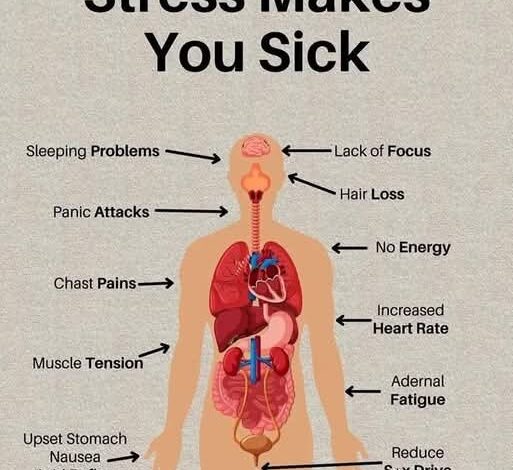
A key part of understanding How Stress Affects Your Health & Ways to Manage It is knowing what happens inside your body. When you’re stressed, your body releases hormones like cortisol and adrenaline. These hormones prepare you for “fight or flight,” increasing your heart rate and energy levels.
But when stress doesn’t go away, these hormones remain elevated—and that’s when problems begin.
Sleep Disruptions
One major way to explain How Stress Affects Your Health & Ways to Manage It is through its impact on sleep. Chronic stress can make it difficult to fall asleep or stay asleep. Your mind may keep racing, replaying worries or planning ahead.
Poor sleep then increases stress levels even more, creating a cycle that’s hard to break. Over time, lack of sleep can weaken your immune system, reduce concentration, and affect your mood.
Weakened Immune System
Another important aspect of How Stress Affects Your Health & Ways to Manage It is how it weakens your immune system. When cortisol stays high for too long, your body becomes less effective at fighting off infections.
This means you might catch colds more often, take longer to recover, or feel generally run down. Your body simply doesn’t have the energy to defend itself properly.
Weight Changes and Appetite
Understanding How Stress Affects Your Health & Ways to Manage It also involves recognizing how stress influences eating habits. Some people lose their appetite, while others crave high-sugar and high-fat foods.
Cortisol can increase hunger and lead to fat storage, especially around the abdomen. Over time, this can contribute to weight gain and related health issues.
Digestive Problems
The connection between your brain and gut plays a big role in How Stress Affects Your Health & Ways to Manage It. Stress can disrupt digestion, leading to symptoms like bloating, stomach pain, constipation, or diarrhea.
This happens because stress affects how your digestive system moves and processes food. A stressed mind often leads to a stressed stomach.
Heart Health Risks
A serious part of How Stress Affects Your Health & Ways to Manage It is its impact on heart health. Chronic stress keeps your heart rate and blood pressure elevated.
Over time, this increases the risk of heart disease, strokes, and other cardiovascular problems. While these effects may not appear immediately, they can develop silently over the years.
Mental Health Effects
No discussion of How Stress Affects Your Health & Ways to Manage It would be complete without mentioning mental health. Chronic stress can lead to anxiety, irritability, and even depression.
It can make it harder to focus, reduce motivation, and affect your overall outlook on life. Managing stress is just as important for your mental well-being as it is for your physical health.
Practice Mindfulness and Meditation
One of the most effective strategies in How Stress Affects Your Health & Ways to Manage It is practicing mindfulness. Taking a few minutes each day to focus on your breathing or stay present in the moment can calm your nervous system.
Meditation doesn’t have to be complicated. Even simple breathing exercises can reduce stress hormones and help you feel more in control.
Exercise Regularly
Another key solution in How Stress Affects Your Health & Ways to Manage It is physical activity. Exercise helps your body release endorphins—natural chemicals that improve mood and reduce stress.
You don’t need intense workouts. Walking, stretching, or light sports can already make a big difference in how you feel.
Prioritize Sleep
Improving sleep is essential when addressing How Stress Affects Your Health & Ways to Manage It. Aim for 7–9 hours of quality sleep each night.
Create a calming bedtime routine—avoid screens, dim the lights, and do something relaxing like reading. Better sleep helps your body recover and manage stress more effectively.
Connect with Others
Social support plays a huge role in How Stress Affects Your Health & Ways to Manage It. Talking to friends or family can help you release tension and feel understood.
You don’t have to deal with everything alone. Even a simple conversation can reduce stress and improve your mood.
Eat a Balanced Diet
Nutrition is often overlooked in How Stress Affects Your Health & Ways to Manage It, but it’s very important. Eating healthy foods gives your body the energy it needs to handle stress.
Focus on fruits, vegetables, whole grains, and proteins. Try to limit sugar, caffeine, and processed foods, as they can increase stress levels.
Set Boundaries
A practical step in How Stress Affects Your Health & Ways to Manage It is learning to set boundaries. Saying “no” to extra responsibilities when you’re overwhelmed is not a weakness—it’s necessary.
Protecting your time and energy helps prevent burnout and keeps stress manageable.
Find Activities You Enjoy
Another helpful tip for How Stress Affects Your Health & Ways to Manage It is engaging in hobbies. Activities like drawing, cooking, music, or gardening can help you relax and shift your focus away from stress.
Doing something you enjoy regularly gives your mind a break and improves overall happiness.
Time Needed to Manage Stress
When thinking about How Stress Affects Your Health & Ways to Manage It, many people assume stress management requires a lot of time. In reality, small daily actions are enough.
- 5–10 minutes of meditation
- 20–30 minutes of light exercise
- Consistent sleep routine
These small habits can create big changes over time.
Final Thoughts
In the end, understanding How Stress Affects Your Health & Ways to Manage It is about awareness and action. Stress is a natural part of life, but it doesn’t have to control your health.
By recognizing the signs and making simple lifestyle changes, you can protect your body and mind. The key is consistency—small steps every day can lead to long-term improvements.
Taking care of your stress is not a luxury—it’s a necessity for living a healthier, happier life.