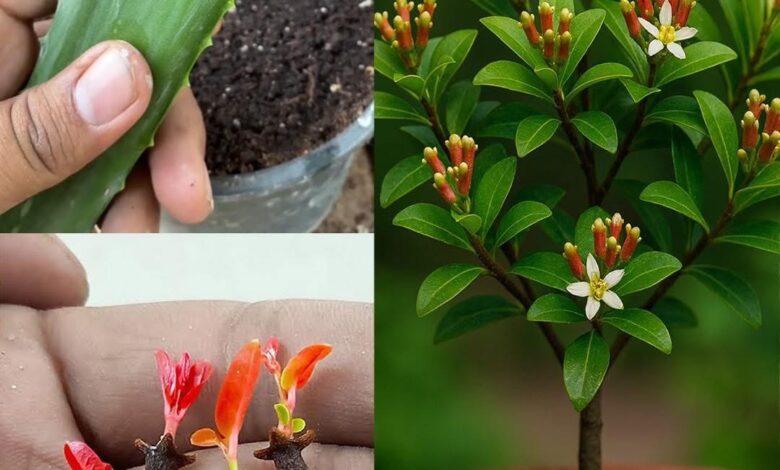
🌿 Unique Way to Grow Clove Plant at Home | Expert Tips & Tricks for Fast Growth
Have you ever wondered how to grow a clove plant at home? Those tiny, aromatic buds that add flavor to your curries and tea actually come from a tropical evergreen tree known as Syzygium aromaticum. Clove is one of the most valuable spices in the world—rich in antioxidants, essential oils, and a distinctive fragrance. And guess what? You can grow this beautiful, fragrant plant right in your backyard, balcony, or even in a large pot at home!
In this post, we’ll share a unique method to grow clove at home, step-by-step instructions, plus expert tips and tricks to make your plant thrive faster and healthier.
🌱 Understanding the Clove Plant
Before you start planting, it’s helpful to know a little about the clove tree:
- Scientific name: Syzygium aromaticum
- Family: Myrtaceae (same as guava and eucalyptus)
- Native to: Indonesia, but grows well in tropical and subtropical regions
- Tree size: Can grow up to 8–12 meters in the wild, but in containers it stays smaller
- Harvest time: 6–8 years after planting, when flower buds turn bright red
Clove trees are evergreen and slow-growing, but once established, they’ll reward you with both beauty and fragrance for decades!
🌰 Step-by-Step: How to Grow Clove Plant at Home
1.
Start with Fresh Clove Seeds
This is the most unique and important step.
Most people try to grow clove from the dried spice in their kitchen — but that doesn’t work! Dried cloves are dead flower buds, not seeds.
👉 Use fresh clove seeds (also called clove nuts) that are collected from ripe clove fruits. You can buy them online or from a local nursery.
Pro tip: If you have access to fresh clove berries, soak them in water for 24 hours. Then remove the outer pulp gently — the small seed inside is what you’ll plant.
2.
Prepare a Rich, Moist Growing Medium
Clove trees love well-drained, loamy soil rich in organic matter.
To prepare your potting mix, combine:
- 40% garden soil
- 30% compost or well-rotted manure
- 20% coco peat or sand
- 10% perlite or vermicompost
This ensures your clove roots get both air circulation and nutrients.
3.
Sow the Seeds
- Fill small pots or seed trays with your soil mix.
- Make a small hole about 2–3 cm deep and place one seed in each.
- Cover lightly with soil and water gently.
- Keep the pot in a warm, shaded area (25–30°C is ideal).
- Maintain consistent moisture — never let it dry out.
⏳ Germination time: 25–40 days.
4.
Transplanting Seedlings
When your seedlings reach about 15–20 cm in height, they’re ready for transplanting.
If you’re growing indoors, choose a large container (at least 20–25 liters) with good drainage holes.
If outdoors, pick a semi-shaded area protected from harsh winds.
Clove trees don’t tolerate strong sun or frost — they need a warm, humid climate to thrive.
5.
Caring for Your Clove Plant
Here are the essential tips and tricks to keep your clove plant healthy:
💧 Watering:
- Keep the soil consistently moist, but not soggy.
- Water deeply once or twice a week depending on your climate.
- Use rainwater if possible — clove trees love soft water.
☀️ Light:
- Needs partial sunlight or filtered light.
- Avoid full midday sun when young.
- Indoors, place near a bright east-facing window.
🌡️ Temperature:
- Ideal range: 20–30°C (68–86°F)
- Avoid cold drafts or temperatures below 15°C.
- In winter, move pots indoors or cover with plastic sheeting.
🌿 Fertilizing:
Feed every 2–3 months with a liquid organic fertilizer (like seaweed or compost tea).
This promotes healthy leaves and strong roots.
✂️ Pruning:
Prune lightly once a year to maintain shape and encourage bushier growth. Remove dead or yellow leaves regularly.
🌸 When Will Your Clove Tree Bloom?
Clove trees are patient growers — they typically start flowering after 6–8 years.
But with proper care, container-grown plants may bloom earlier.
The flower buds appear green at first, then turn bright red before harvest.
That’s when they’re picked and sun-dried to become the cloves we use in cooking!
🌿 Extra Tips & Tricks for Growing Clove at Home
- Humidity Boost: Mist your plant regularly or keep a humidity tray nearby. Clove loves moist air.
- Mulching Magic: Add a layer of coconut husk or dry leaves to retain soil moisture.
- Pest Control: Use neem oil spray once a month to prevent fungal infections and insects.
- Companion Planting: Growing clove near ginger or turmeric helps repel pests naturally.
- Patience Pays Off: Don’t rush! Clove is slow-growing but extremely rewarding once mature.
🌺 Health & Home Benefits of Having a Clove Plant
Aside from being a spice, a clove tree brings several benefits:
- Aromatic leaves that refresh the air naturally.
- Medicinal properties: Clove oil is famous for relieving toothaches, improving digestion, and boosting immunity.
- Attractive evergreen foliage: Makes a lovely ornamental addition to any garden or balcony.
🌿 Final Thoughts
Growing a clove plant at home is not only possible—it’s deeply satisfying. Watching your small seed turn into a fragrant tree that produces one of the world’s most valuable spices is a true gardener’s joy. With the unique growing method, right soil mix, and consistent care, you can cultivate your very own clove plant even in a pot!
So, start today — get those fresh seeds, prepare your soil, and bring a piece of the spice islands right to your home. 🌴✨
🔑 Keywords for SEO:
grow clove plant at home, how to grow clove tree, clove plant care tips, unique method to grow cloves, Syzygium aromaticum growing guide, grow spices at home, tropical spice plants