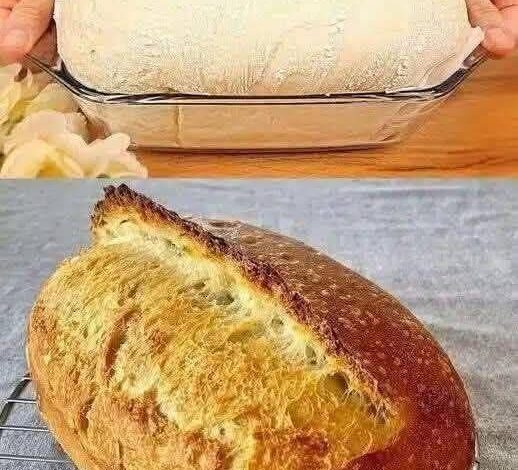
I Don’t Buy Bread Anymore! No Kneading, No Eggs, No Butter – The Easiest and Cheapest Bread Recipe
Homemade bread is making a huge comeback, and for good reason. With food prices constantly rising, many people are discovering that baking bread at home is not only cheaper but also healthier and more satisfying. This particular recipe is so simple that it has become a viral favorite worldwide. Why? Because it requires no kneading, no eggs, and no butter, yet still delivers a soft, fluffy, and delicious loaf of bread.
Whether you’re a beginner baker or simply looking for the easiest bread recipe to make at home, this guide will show you how to prepare bakery-quality bread with just a handful of pantry staples.
Why This Bread Recipe Is So Popular
- No kneading → Forget about spending 15 minutes wrestling with sticky dough. This recipe does the work for you.
- Egg-free & dairy-free → Perfect for vegans, people with allergies, or anyone trying to cut costs.
- Simple ingredients → Flour, yeast, salt, water, and a touch of oil. That’s it!
- Budget-friendly → A loaf of homemade bread costs a fraction of store-bought.
- Beginner-friendly → Even if you’ve never baked before, you’ll succeed.
Ingredients You’ll Need
For one large loaf (or two medium ones):
- 4 ¾ cups (570 g) all-purpose flour (or bread flour for extra chewiness)
- 1 tablespoon (10 g) dry yeast
- 1 teaspoon salt
- 4 tablespoons (60 ml) olive oil (or any vegetable oil)
- 1 ⅓ cups (320 ml) warm water (not hot, about 40°C / 105°F)
Step-by-Step Instructions
1. Prepare the Dough
- In a large mixing bowl, combine the warm water and yeast. Let sit for 5 minutes until foamy.
- Add the flour, salt, and olive oil. Stir with a spoon until the dough comes together. It will be soft and slightly sticky—perfect for no-knead bread.
2. First Rise
- Cover the bowl with a clean towel or plastic wrap.
- Let the dough rest at room temperature for 1–2 hours, or until doubled in size.
3. Shape the Bread
- Once risen, lightly flour your hands and shape the dough into a ball or oval.
- Place it on a baking tray lined with parchment paper (or in a loaf pan if you prefer a sandwich-style bread).
4. Second Rise
- Cover again and let it rise for another 30–40 minutes.
- During this time, preheat your oven to 200°C (390°F).
5. Bake
- Score the top of the dough with a sharp knife (this helps it expand in the oven).
- Bake for 25–30 minutes, or until golden brown and hollow-sounding when tapped.
6. Cool and Enjoy
- Let the bread rest on a cooling rack for at least 15 minutes before slicing. This prevents a gummy texture.
What Makes This Bread Different?
Most bread recipes call for milk, butter, or eggs to add richness. This recipe skips all of that while still delivering a soft, flavorful crumb. The secret is in the hydration—the right balance of water and flour creates airy pockets, while olive oil adds just enough moisture for tenderness.
Tips for Perfect Bread Every Time
- Use warm water, not hot—too hot will kill the yeast.
- If your kitchen is cold, place the bowl near a warm oven or wrap it in a blanket to help it rise faster.
- Add seeds, herbs, or spices to make flavored versions.
- For a crispier crust, place a small oven-safe dish of water in the oven while baking.
Variations to Try
- Garlic & Herb Bread → Add 1 tablespoon dried herbs (oregano, thyme, rosemary) and 2 cloves minced garlic to the dough.
- Whole Wheat Bread → Replace half the flour with whole wheat flour.
- Seeded Bread → Top with sesame, sunflower, or chia seeds before baking.
- Sweet Version → Add 2 tablespoons sugar and a handful of raisins for a breakfast loaf.
Storage & Freezing
- Store your bread in a clean cloth or paper bag at room temperature for up to 3 days.
- For longer storage, slice the loaf and freeze it. Toast or reheat slices directly from frozen.
Frequently Asked Questions
1. Can I make this bread without yeast?
Yes—use baking powder instead, but the texture will be denser. Yeast gives the best rise and flavor.
2. Can I make this recipe gluten-free?
Yes, use a gluten-free flour blend with 1 teaspoon xanthan gum. The result will be slightly different but still delicious.
3. Do I need special equipment?
No stand mixer, bread machine, or fancy tools are required—just a mixing bowl, spoon, and oven.
Final Thoughts
This recipe proves that homemade bread doesn’t have to be complicated or expensive. With no kneading, no eggs, and no butter, you can bake a delicious loaf that’s healthier, cheaper, and fresher than anything from the store. Once you try it, you might find yourself saying wha